
Inland and coastal shipping are key drivers of the U.S. and Canadian economies. The Great Lakes-St. Lawrence River navigation system is an efficient, low-cost marine superhighway that connects our cities/towns and businesses to markets throughout North America and around the world.
Marine-related industries also contribute significantly to the health, education and general prosperity of society by supporting well-paying, family-supporting jobs and making a significant contribution to taxes in Canada and the U.S.
So what’s the impact of Great Lakes-St. Lawrence River ports?
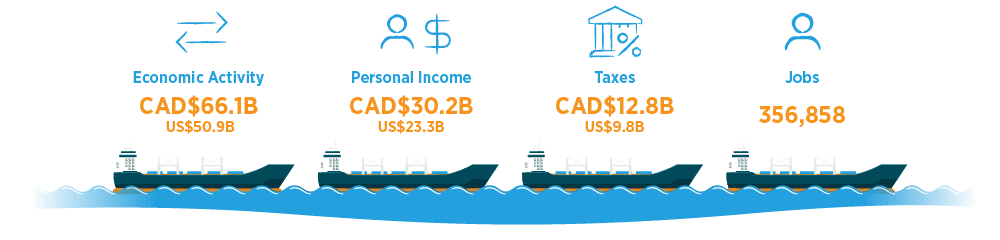
North American farmers, steel producers, construction firms, food manufacturers, power generators and Canadian households depend on the 252.1 million metric tons of raw materials and finished goods that are delivered by Great Lakes-St. Lawrence River ships every year. This cargo is valued at CDN$157.2 billion.

Marine transportation on the Great Lakes-St. Lawrence System provides $3.6 billion (USD) in annual transportation cost savings compared to the next least expensive all-land transportation alternative. This enhances the global competitiveness of North American products and industries and keeps the cost of consumer goods down.
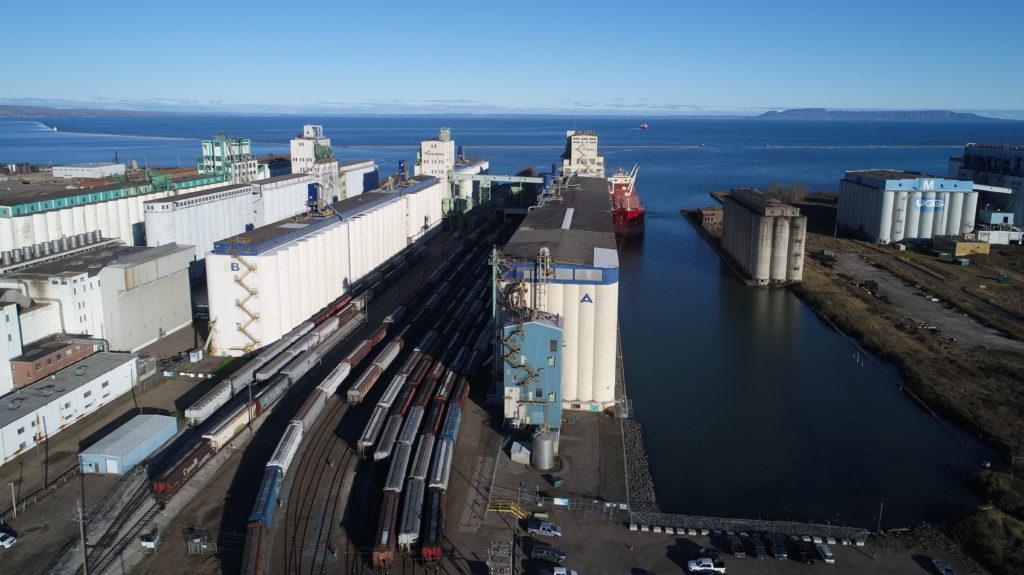
As farming technology advances and crop yields grow, the ability to reach export markets by ship will become even more important for Canadian farmers.
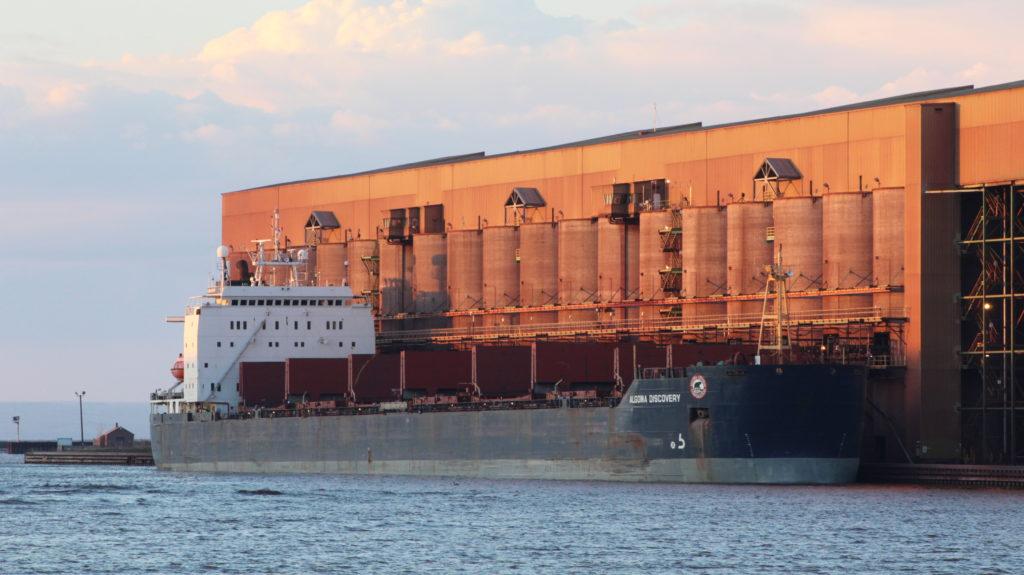
Most American iron ore comes from the mines in northern Minnesota and is shipped through the Great Lakes-St. Lawrence system.

As the world’s largest steel and mining company, ArcelorMittal depends on the Great Lakes-St. Lawrence waterway to ship raw materials to its operations for products ultimately destined for North American markets.

All of the raw sugar that Canada’s oldest sugar refiner uses to make its products is transported by ship.

LafargeHolcim provides the building blocks of our cities and if you live in the Great Lakes-St. Lawrence Region – it’s likely those materials were transported at some point by ship.